

Service: Traffic Management Software Development

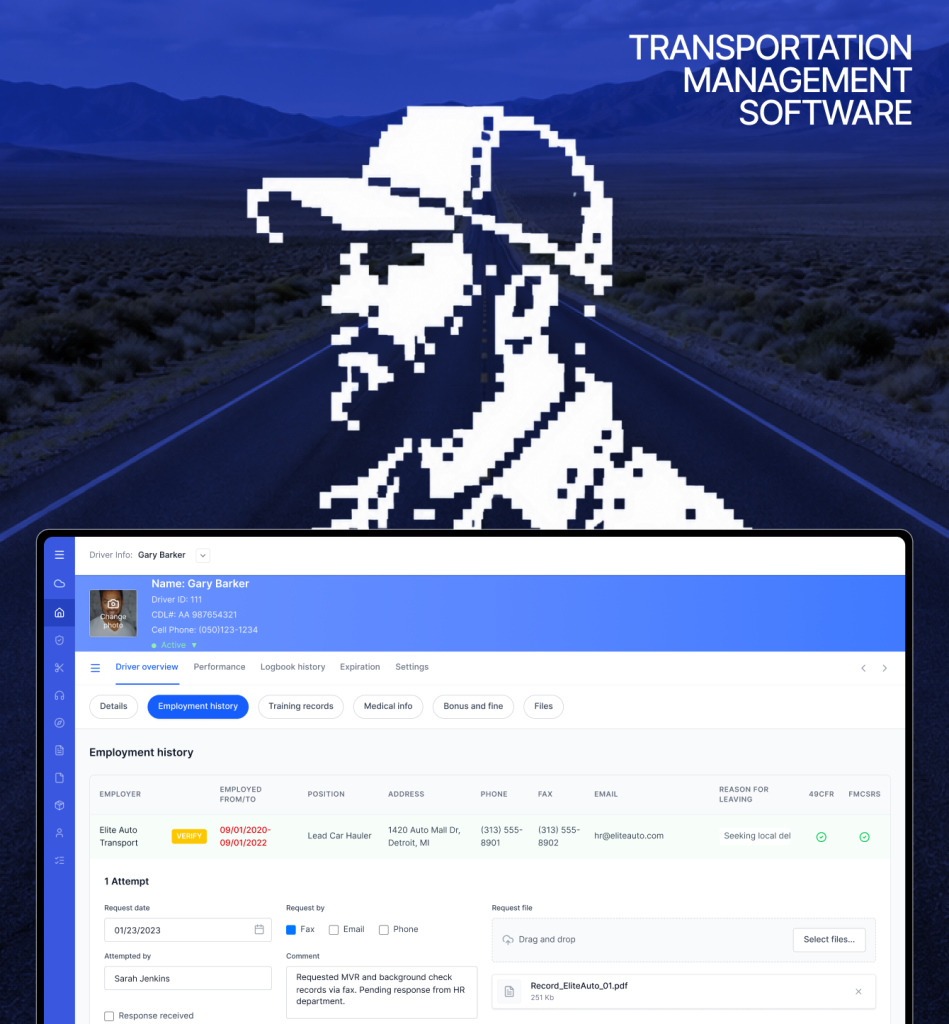
The need to manage traffic in or around a location is often a good sign of the community’s growth and role — but also a challenging task. Modern technology makes it possible to analyze traffic patterns, but that’s only the beginning of the actual work: the data needs to feed into decisions, alerts, routing, and operational workflows. We develop custom traffic management applications and platforms that turn traffic data into tangible improvements in mobility, safety, and operational efficiency.

GET EXPERT ADVICE
WHEN TRAFFIC MANAGEMENT SOFTWARE BRINGS REAL VALUE
Traffic patterns are becoming too complex

Traffic patterns are becoming too complex

When traffic volumes, routes, and incidents change continuously, operators need real-time visibility rather than static reports.

Roadside infrastructure needs centralized control

Roadside infrastructure needs centralized control

Connecting signals, cameras, sensors, and variable message signs through one system makes coordinated traffic management possible.

Incidents need to be detected and acted on quickly

Incidents need to be detected and acted on quickly

Automated detection and alerts can help operators identify accidents, hazards, and unusual conditions before they escalate.

Existing traffic data is scattered across systems

Existing traffic data is scattered across systems

GPS, IoT, CCTV, public transport, and municipal data become much more useful when they can be analyzed together.

Urban mobility involves more than private vehicles

Urban mobility involves more than private vehicles

Public transit, pedestrians, cyclists, and emergency services all need to be considered when optimizing traffic flows.

Traffic decisions increasingly depend on prediction

Traffic decisions increasingly depend on prediction

AI/ML models and simulation can help planners evaluate congestion scenarios and infrastructure changes before acting on them.

Traffic patterns are becoming too complex

Traffic patterns are becoming too complex

When traffic volumes, routes, and incidents change continuously, operators need real-time visibility rather than static reports.

Roadside infrastructure needs centralized control

Roadside infrastructure needs centralized control

Connecting signals, cameras, sensors, and variable message signs through one system makes coordinated traffic management possible.

Incidents need to be detected and acted on quickly

Incidents need to be detected and acted on quickly

Automated detection and alerts can help operators identify accidents, hazards, and unusual conditions before they escalate.

Existing traffic data is scattered across systems

Existing traffic data is scattered across systems

GPS, IoT, CCTV, public transport, and municipal data become much more useful when they can be analyzed together.

Urban mobility involves more than private vehicles

Urban mobility involves more than private vehicles

Public transit, pedestrians, cyclists, and emergency services all need to be considered when optimizing traffic flows.

Traffic decisions increasingly depend on prediction

Traffic decisions increasingly depend on prediction

AI/ML models and simulation can help planners evaluate congestion scenarios and infrastructure changes before acting on them.

01 / 06
Related Software Services
/ 01 Web App Development

We develop robust custom web-based solutions that bring together data from various sources and allow to tie together various parts of the digital infrastructure.

/ 02 Mobile App Development

We build native and/or cross-platform mobile apps with a focus on user adoption and convenience that can function as standalone solutions or supplement an entire suite.

/ 03 AI Consulting

We help establish the optimal use cases for AI implementation within your workflows, making sure it brings actual value — and devise a development-ready roadmap.

Our Traffic Software Development Process
01

Traffic ecosystem assessment

We map existing infrastructure, data sources, operational workflows, integrations, and the specific mobility problems to address.

02

Architecture & solution design

We define the architecture, data flows, interfaces, integrations, and technology choices required for reliable real-time operation.

03

Development & integration

We build the platform and connect it with sensors, cameras, GPS feeds, municipal systems, navigation platforms, and other services.

04

Testing & deployment

We validate performance under realistic loads and operational scenarios, deploy the system, and refine it based on real-world usage.

01

Traffic ecosystem assessment

We map existing infrastructure, data sources, operational workflows, integrations, and the specific mobility problems to address.

02

Architecture & solution design

We define the architecture, data flows, interfaces, integrations, and technology choices required for reliable real-time operation.

03

Development & integration

We build the platform and connect it with sensors, cameras, GPS feeds, municipal systems, navigation platforms, and other services.

04

Testing & deployment

We validate performance under realistic loads and operational scenarios, deploy the system, and refine it based on real-world usage.

01 / 04
OUR TRAFFIC MANAGEMENT SOLUTIONS AND THEIR IMPACT

Traffic management software can address very different parts of the mobility ecosystem, from roadside infrastructure to passenger-facing applications.

10-15%

faster travel times with adaptive traffic signals

What you get
  • Real-time intersection and corridor monitoring
  • Adaptive signal timing and traffic prioritization
  • Integration with legacy traffic-control infrastructure
  • Fail-safe operation when connectivity or sensor data is interrupted

We build systems that combine real-time sensor data, adaptive signal logic, and centralized control while remaining compatible with legacy intersection infrastructure. Reliability also matters as much as optimization, so fail-safe behavior and graceful handling of missing or delayed data are built into the architecture.

Our Approach

Traffic management systems rarely operate in isolation. Their value depends on how reliably they connect infrastructure, data, operators, and passengers, so we focus on building systems that fit the existing mobility ecosystem rather than treating traffic software as a standalone application.

  • Real-world infrastructure first – We account for sensors, cameras, roadside hardware, legacy systems, and other constraints from the start.
  • Real-time where it matters – Architecture and data flows are designed around the response times required by actual traffic operations.
  • Integration over isolation – We connect traffic systems with GIS, ERP, navigation, public-transit, and other relevant platforms.
  • Operational usability – Dashboards and controls are designed around what traffic operators and planners actually need to see and act on.
  • Built to evolve – Modular architecture leaves room for additional data sources, AI capabilities, infrastructure, and mobility services.
TRAFFIC MANAGEMENT SYSTEMS FOR DIFFERENT MOBILITY ENVIRONMENTS

Urban Traffic Control Systems

An urban traffic control system wraps several important functionalities in one package: IoT, algorithms, and central control. These systems require expertise in real-time data ingestion and distributed architecture, as well as integrations with legacy systems in place.

Intelligent Corridor Management

Integrated Corridor Management coordinates multiple transportation networks — such as highways, arterials, public transit, and intersections — to manage traffic beyond the boundaries of a single road or junction.

Public Transit Management

These systems connect vehicle data, schedules, passenger information, ticketing, and operational analytics to improve the coordination and visibility of public transportation.

Smart Mobility & Passenger Platforms

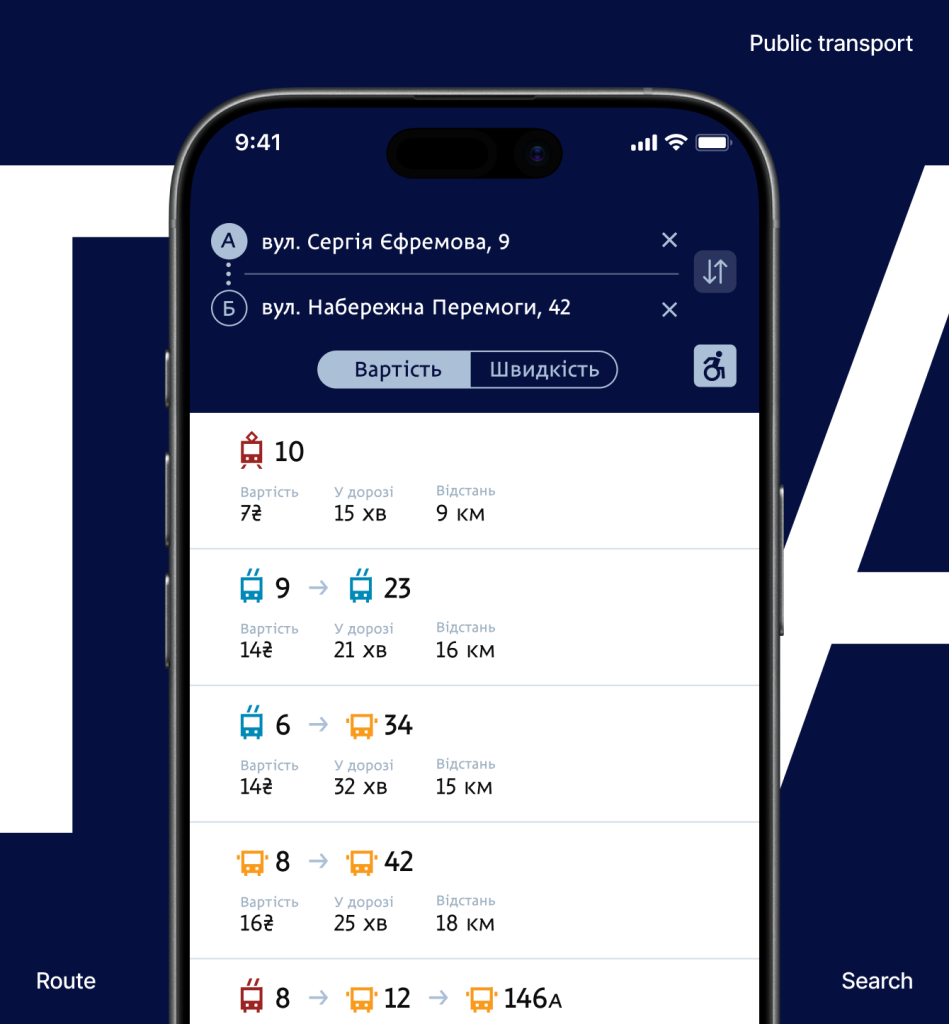
Passenger-facing platforms combine real-time traffic and transit information with routing, ticketing, notifications, and other digital services to make urban mobility easier to navigate.

Urban Traffic Control Systems

An urban traffic control system wraps several important functionalities in one package: IoT, algorithms, and central control. These systems require expertise in real-time data ingestion and distributed architecture, as well as integrations with legacy systems in place.

Intelligent Corridor Management

Integrated Corridor Management coordinates multiple transportation networks — such as highways, arterials, public transit, and intersections — to manage traffic beyond the boundaries of a single road or junction.

Public Transit Management

These systems connect vehicle data, schedules, passenger information, ticketing, and operational analytics to improve the coordination and visibility of public transportation.

Smart Mobility & Passenger Platforms

Passenger-facing platforms combine real-time traffic and transit information with routing, ticketing, notifications, and other digital services to make urban mobility easier to navigate.

01 / 04
WHEN TRAFFIC DATA HAS TO BECOME A DECISION
Client's problem
  • Traffic data comes from disconnected sensors, cameras, GPS feeds, and infrastructure
  • Operators need real-time visibility rather than fragmented information
  • Existing roadside and municipal systems impose integration constraints
  • Incidents and congestion require faster detection and response
  • Traffic planning increasingly depends on historical data as well as real-time conditions
Solution

A custom traffic management platform that integrates heterogeneous traffic data, operational infrastructure, analytics, and user-facing tools into a unified system for monitoring, decision-making, and coordinated response.

Solutions

Turn your traffic data into something operators can actually act on?

Book a meeting
What Our Clients Say

Rating on Clutch [ 45 reviews ]

Kaspars Eglins

Board Member, KleinTech Services

Kaspars Eglins
Kaspars Eglins
"Our web performance has improved overall, and our clients are always satisfied with Lionwood.software’s deliverables. Communicative and quick, Lionwood.software provides requested resources on schedule and delivers on or ahead of time. Their adaptability is particularly…

Ava Greve

Chief of Customer Support, Dizmo AG

Ava Greve
Ava Greve
"Their support has been in sync and on time despite the Russian Invasion of Ukraine. Their team fosters a positive relationship by being communicative and available. Ultimately, they are dedicated to the project, displaying interest and flexibility for the product’s success"
View Case

Andrew Laquis

Director, Shyft.tt

Andrew Laquis
Andrew Laquis
"Lionwood.software is organized and diligent with meetings. They provide timely responses and delivered projects on time and within the budget. The team handles the changes and updates in a fast and streamlined approach. Email and WhatsApp are used for communication."
View Case
HAVE A PROJECT IN MIND?
LET’S TALK

What is your project about? Share a few details and we’ll respond with practical next steps and a realistic view of scope and approach.

Fill the form
Frequently Asked Questions

Traffic management software can combine real-time traffic data with adaptive signals, routing, incident detection, and analytics to help operators respond to changing conditions. The actual impact depends heavily on the infrastructure, corridor, traffic patterns, and specific interventions involved.