Industry: Custom Logistics Development

Logistics management software and custom software development services that help warehouses, transport teams, and supply chain partners connect their operational flows. As a transportation and logistics software development company, we design solutions that integrate rather than replace — thus reducing fragmentation and making day-to-day processes, from inventory management to fleet management, easier to coordinate.

Get expert advice
THE PROBLEMS WE HELP SOLVE IN LOGISTICS
Fragmented visibility across supply chain operations

Fragmented visibility across supply chain operations

Logistics data typically tends to be split between ERP, TMS, WMS, spreadsheets, and local tools. As a result, teams operate with partial or delayed information — which is why it’s often difficult to understand what is actually happening across the chain in real time.

Manual coordination between warehouses, transport, and field teams

Manual coordination between warehouses, transport, and field teams

When critical updates are still communicated through email, calls, or manual entries, it creates a risk of delays and misalignment between teams. This, in turn, increases the overall rate of execution errors during daily operations.

Delayed or inconsistent operational data

Delayed or inconsistent operational data

Information about shipments, inventory levels, delivery status, or availability often arrives too late to support decision making. By the time data is consolidated, the operational situation has already changed, leading to missed opportunities or aggregating chaos.

System silos preventing workflow automation

System silos preventing workflow automation

Frequently, core logistics systems may not be properly integrated, which then prevents seamless workflows between planning, execution, and monitoring. As a result, processes require manual intervention between systems that takes up paid hours.

Limited adaptability of legacy logistics systems

Limited adaptability of legacy logistics systems

Many logistics businesses rely on older legacy systems that grew over time but are now difficult to modify or extend. This slows down process changes, integration with modern tools becomes tricky, and adopting new operational models has to be postponed..

Inefficient exception handling in daily operations

Inefficient exception handling in daily operations

When disruptions occur (delays, stock issues, routing changes), logistics teams often lack structured tools to manage exceptions efficiently. The usual outcome is an immediate fallback to reactive decision-making and inconsistent issue handling.

Fragmented visibility across supply chain operations

Fragmented visibility across supply chain operations

Logistics data typically tends to be split between ERP, TMS, WMS, spreadsheets, and local tools. As a result, teams operate with partial or delayed information — which is why it’s often difficult to understand what is actually happening across the chain in real time.

Manual coordination between warehouses, transport, and field teams

Manual coordination between warehouses, transport, and field teams

When critical updates are still communicated through email, calls, or manual entries, it creates a risk of delays and misalignment between teams. This, in turn, increases the overall rate of execution errors during daily operations.

Delayed or inconsistent operational data

Delayed or inconsistent operational data

Information about shipments, inventory levels, delivery status, or availability often arrives too late to support decision making. By the time data is consolidated, the operational situation has already changed, leading to missed opportunities or aggregating chaos.

System silos preventing workflow automation

System silos preventing workflow automation

Frequently, core logistics systems may not be properly integrated, which then prevents seamless workflows between planning, execution, and monitoring. As a result, processes require manual intervention between systems that takes up paid hours.

Limited adaptability of legacy logistics systems

Limited adaptability of legacy logistics systems

Many logistics businesses rely on older legacy systems that grew over time but are now difficult to modify or extend. This slows down process changes, integration with modern tools becomes tricky, and adopting new operational models has to be postponed..

Inefficient exception handling in daily operations

Inefficient exception handling in daily operations

When disruptions occur (delays, stock issues, routing changes), logistics teams often lack structured tools to manage exceptions efficiently. The usual outcome is an immediate fallback to reactive decision-making and inconsistent issue handling.

01 / 06
60%

faster processing is commonly reported after logistics automation

~⅔

supply chain organizations now treat real-time visibility as a top priority

75%

of European consumers say delivery experience affects their purchasing decisions

€1.5T

approximate annual cost of supply chain inefficiencies globally

OUR MAIN LOGISTICS SOFTWARE DEVELOPMENT SERVICES
/ 01 Warehousing Solutions

WMS and adjacent/hybrid systems for improving inventory accuracy, space utilization, and fulfillment speed across warehouse operations.

/ 02 Transportation Management (TMS)

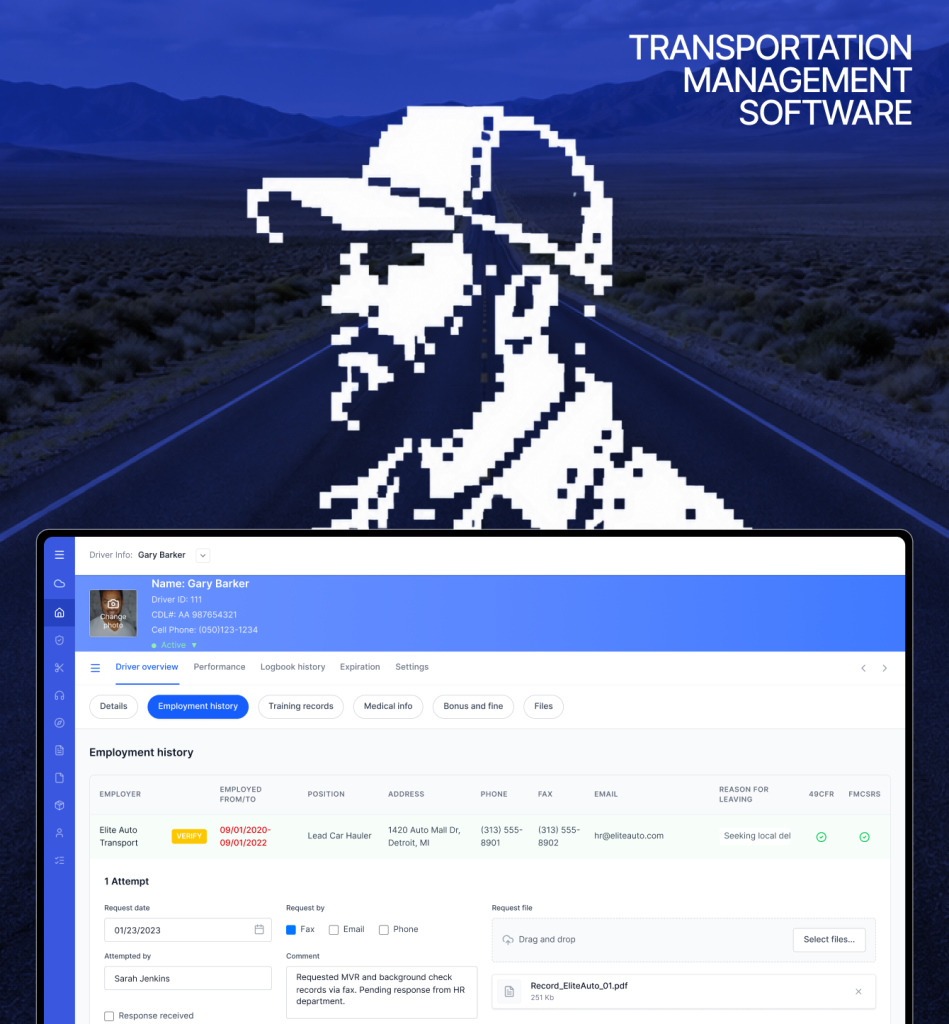
Software that helps plan, execute, and optimize transport operations (fleet management, route planning, etc.) across carriers, routes, and delivery schedules.

/ 03 Supply Chain Management Systems

End-to-end custom platforms that connect procurement, logistics, and operations into a unified, real-time flow of information tailored to your business specifics.

CUSTOM LOGISTICS SOLUTIONS THAT ADD TANGIBLE VALUE

Today’s logistics processes depend on interconnected systems. We ensure both their inner capabilities and harmonization in between to secure operational impact.

25–40%

Reduction in order processing time with integrated warehousing systems

What you get
  • Centralized inventory visibility (warehouses, zones, partners)
  • Real-time synchronization
  • Automation with configurable business rules
  • Support for hybrid fulfillment models
  • Integrations and end-to-end traceability

Optimize warehousing and order fulfillment with software solutions that adapt to the actual structure of your operations. We build custom software that doesn’t just blindly reproduce the generic WMS best practices, but rather addresses the actual challenges across functions: inventory, picking, packing, dispatch, IoT based tracking — whether that means extending existing systems, integrating multiple tools or developing hybrid workflows when necessary.

CONNECTING LOGISTICS SOFTWARE SOLUTIONS INTO HARMONIZED FLOWS
LOGISTICS SOFTWARE SOLUTIONS
End-to-End Operational Flow

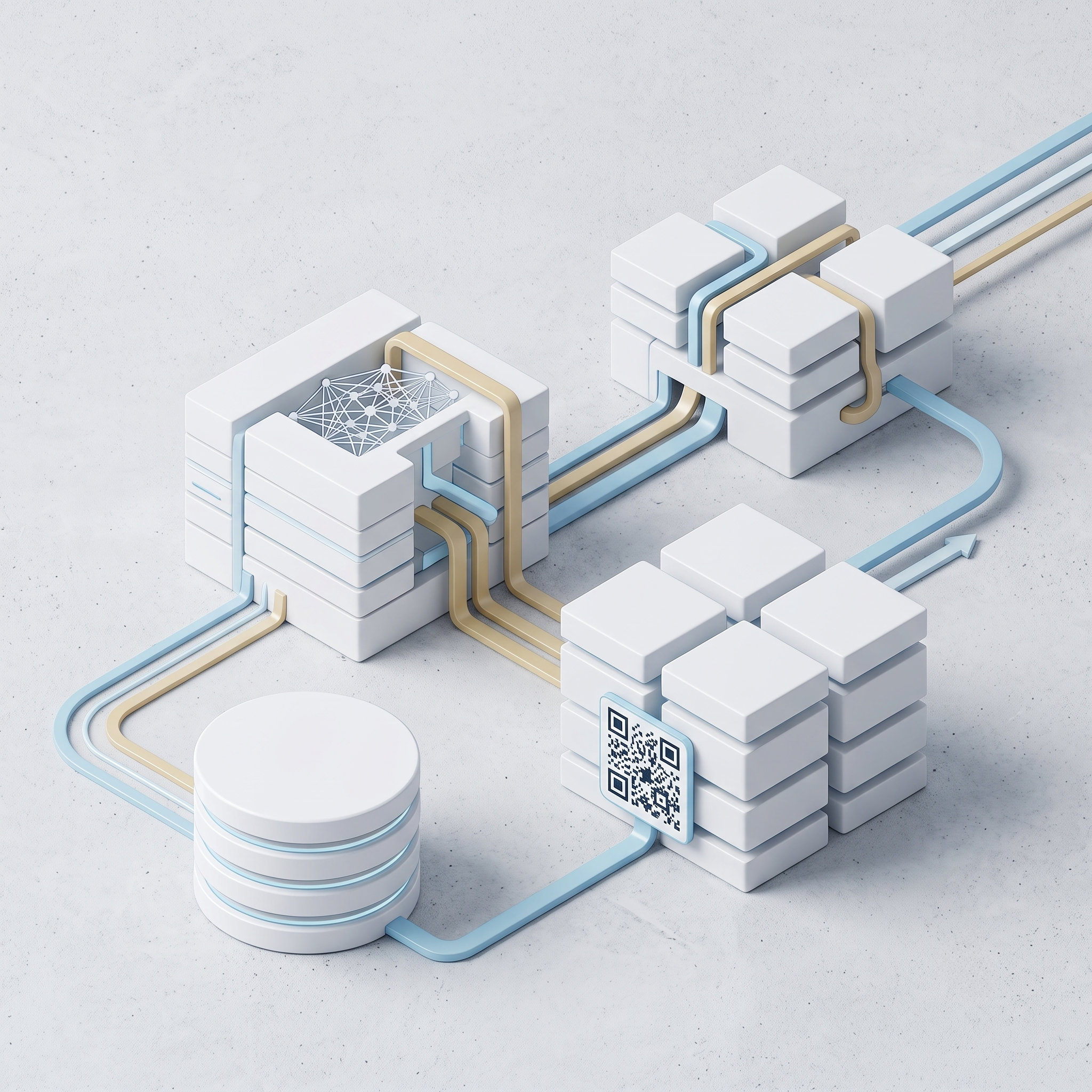
Even the best modern logistics software, when self-contained, brings limited value – WMS, transportation planning, ERP, portals all focus on their respective parts of the general flow. 

In daily operations, this creates constant handoffs between picking, dispatch, routing, and delivery tracking, where status changes often need to be updated across multiple systems.

We connect these environments and work to synchronize inventory levels, shipment statuses, order updates, and more between systems in various ways:

  • integrations
  • intermediate operational layers
  • inherently cross-functional systems

This ensures that changes such as a delayed shipment, a warehouse update, or a carrier confirmation are reflected consistently across the entire logistics chain without manual re-entry. 

OPERATIONAL RESULTS OF MODERN LOGISTICS SOFTWARE

When logistics systems are properly connected, day-to-day operations shift from fragmented coordination to a continuous, predictable flow of execution.

Real-time coordination across teams

Updates to inventory, orders, and shipments are reflected across workflows without waiting for manual syncing.

Seamless telemedicine experience

Facilitate secure, real-time video consultations, delivering convenient and personalized care remotely.

Less manual reconciliation between systems

Teams no longer need to compare data between ERP, WMS, etc: operational records stay aligned.

Faster reaction to delays / disruptions

When disruptions occur, status changes are immediately visible, allowing the teams to adjust.

Continuous flow from order to execution

Orders move through picking, dispatch, transport, and delivery tracking as a connected sequence.

More consistent warehouse operations

Updates follow synchronized system states, reducing mismatches between reality and records.

Improved traceability of logistics operations

Each operational event can be tracked without reconstructing its history from multiple sources.

Lower dependency on manual coordination

Communication shifting from calls, emails, and manual updates toward system-driven status propagation.

More stable exception handling in operations

Delays, reroutes, and inventory changes are processed within the same flow, with fewer ad-hoc fixes.

Real-time coordination across teams

Updates to inventory, orders, and shipments are reflected across workflows without waiting for manual syncing.

Seamless telemedicine experience

Facilitate secure, real-time video consultations, delivering convenient and personalized care remotely.

Less manual reconciliation between systems

Teams no longer need to compare data between ERP, WMS, etc: operational records stay aligned.

Faster reaction to delays / disruptions

When disruptions occur, status changes are immediately visible, allowing the teams to adjust.

Continuous flow from order to execution

Orders move through picking, dispatch, transport, and delivery tracking as a connected sequence.

More consistent warehouse operations

Updates follow synchronized system states, reducing mismatches between reality and records.

Improved traceability of logistics operations

Each operational event can be tracked without reconstructing its history from multiple sources.

Lower dependency on manual coordination

Communication shifting from calls, emails, and manual updates toward system-driven status propagation.

More stable exception handling in operations

Delays, reroutes, and inventory changes are processed within the same flow, with fewer ad-hoc fixes.

01 / 09

Lionwood is a team of digital experts who combine strong engineering expertise with a human-centered approach focused on transparency, trust, and real user needs to build innovative and impactful software. We help clients modernize operations and grow sustainably by creating clear, maintainable, and adaptable software solutions.

Why choose us
  • 4.9/5 Clutch Rating
  • 75% Middle & Senior Specialists
  • Operationally Focused Engineering
  • Integration-First Approach
  • Adoption-Oriented Product Thinking
  • Scalable by Design
LOGISTICS SOFTWARE DEVELOPMENT COMPANY FOR CONNECTED OPERATIONS
Client's problem
  • Operational data scattered across systems
  • Manual coordination between warehouses, carriers, planners
  • Limited visibility into shipment, inventory, & order status
  • Disconnected workflows that need constant reconciliation
  • Legacy systems slowing down improvements
Solution

Custom logistics software that connects existing systems, teams, and workflows into a more coordinated operational flow. 

Solutions

Build a logistics environment where information moves as smoothly as goods do

Book a meeting
What Our CUSTOMERS Say

Rating on Clutch [ 45 reviews ]

Kaspars Eglins

Board Member, KleinTech Services

Kaspars Eglins
Kaspars Eglins
"Our web performance has improved overall, and our clients are always satisfied with Lionwood.software’s deliverables. Communicative and quick, Lionwood.software provides requested resources on schedule and delivers on or ahead of time. Their adaptability is particularly…
View Case

Andrew Laquis

Director, Shyft.tt

Andrew Laquis
Andrew Laquis
"Lionwood.software is organized and diligent with meetings. They provide timely responses and delivered projects on time and within the budget. The team handles the changes and updates in a fast and streamlined approach. Email and WhatsApp are used for communication."
View Case

Ava Greve

Chief of Customer Support, Dizmo AG

Ava Greve
Ava Greve
"Their support has been in sync and on time despite the Russian Invasion of Ukraine. Their team fosters a positive relationship by being communicative and available. Ultimately, they are dedicated to the project, displaying interest and flexibility for the product’s success"
View Case

Christian Listérus

Co-Founder, Lingon Certificates

Christian Listérus
Christian Listérus
We have been working with the team at Lionwood for almost two years now and are very happy with the collaboration. The developers and project coordinators are always thoughtful, pro-active and highly competent. We can only give our best recommendations.
View Case

Glenn Miseroy

CTO, LeadExpress

Glenn Miseroy
Glenn Miseroy
"The team at Lionwood.software met expectations. Their proactive approach complemented their efficient project management style. Their responsive communication is also noteworthy. The reliable team comes well recommended from the client. "
View Case
HAVE A PROJECT IN MIND? LET’S TALK

Get a consultation within one business day. We help businesses launch new products or improve existing ones while reducing risks and increasing revenue.

Fill the form
Frequently Asked Questions

We work with supply chain and logistics companies that deal with complex or unique processes across warehouse management, transportation, and/or freight operations. Most engagements start from a specific business need like improving visibility, reducing manual coordination, or connecting existing systems.