
Transportation and Logistics Software Development
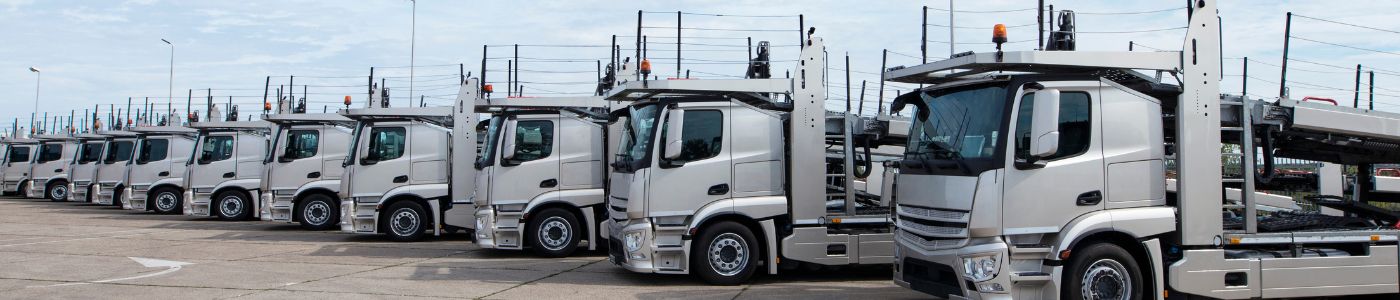
Custom logistics software is ideally about solving precisely the challenges it is meant to solve, while also creating space for scalability and tomorrow’s innovations. That’s what we have been doing for years: designing the perfect logistics management software solutions with an eye on both the present and the future, immediate ROI and long-term impact.
Extract the maximum value from your existing digital infrastructure and fill in the gaps with ideally matching tailored tools and apps – or have our experts design a unique comprehensive solution based on niche requirements. Meanwhile, we keep things flexible and transparent at all times.

LOGISTICS AND TRANSPORTATION CHALLENGES YOU CAN SOLVE WITH SOFTWARE
Process and supply chain visibility
Transparency is, by now, firmly a part of value in any supply chain by itself. Plus, if you seriously want to optimize anything, you’ll likely want a look inside the world of everyday operations. Custom logistics management software helps a lot here, from dashboards and mobile apps for fleet management and warehousing to IoT-based systems, blockchain solutions for traceability, GPS tracking, and automated reporting.
Reducing operational costs
Along most supply chains, there are, on average, 5-7 “black holes” that devour resources and incur (entirely avoidable) costs. Automating paperwork or some of the physical tasks can already bring the total down considerably. We’ve also seen 10-30% costs cut due to route optimization we helped implement – both in fuel and labor costs, not counting the hidden value of reduced maintenance expenses.
Disentangling system integrations
Having to deal with a Gordian knot of interdependencies between ERP, CRM, TMS, WMS, order management system, accounting tools and more is a known phenomenon in logistics. What’s good is that an experienced logistics software development company will know how to set up the various integrations in a way that makes the entire ecosystem robust and secure – while maintaining ease of use.
Eliciting actual ROI from AI, IoT and other new tech
A lot of new technologies have emerged and shaped the market in such a way companies have to adopt them to stay competitive. The name of the game is no longer just implementing any AI or IoT solution but making sure it matches the actual needs of the company and yields ROI. We make sure to balance the investment with the return by taking the uniqueness of each client into account.
Matching technology with actual processes
One never knows just how many minor operational know-hows are behind every company’s success. Introducing new software solutions into the mix means either enhancing these processes or imposing new ones, the latter way being often doomed. This is why our consultants and project management are always focused on studying how exactly things work before coming up with the perfect software vision.
SOLUTIONS WE DELIVER
Transportation Management Systems (TMS)
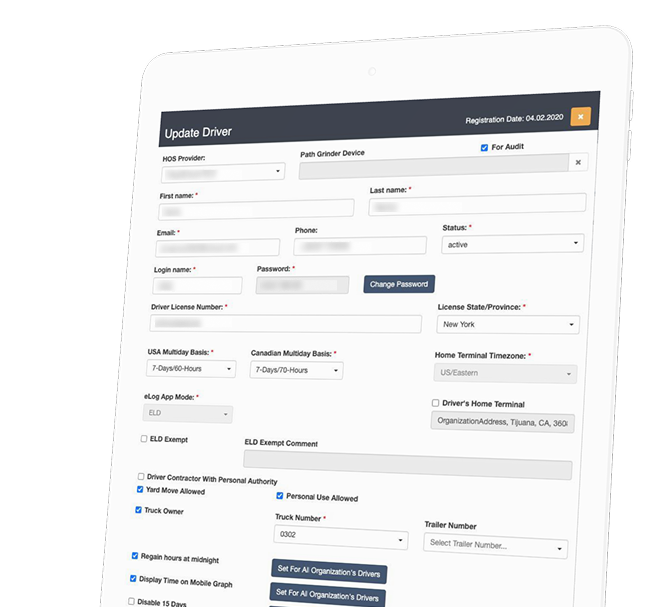
There are as many opinions on “perfect” TMS as operational models. Each company has their own way of juggling shipments, carriers, and compliance requirements (alongside documentation and maintenance). We develop TMS that won’t force the client’s workflows into what the system logic thinks they should look like.
Fleet Management Systems
What does your notion of a good fleet management system include? Precise tracking, driver scheduling, preventive maintenance, fuel optimization, or something different? We’ve seen clients with vastly different sets of KPIs, and deliver modular fleet management systems that incorporate exactly what the fleet in question needs now plus what it’ll need in 2-3 years.
Telematics Solutions
A custom telematics solution will integrate your vehicles’ real-time performance, location, and safety data into your own logistics ecosystem. In this way, you can avoid data silos, while leaving room for future changes and modifications.
Freight-Specific Software Solutions
Freight types often dictate special functionalities in software directly, but also influence the workflows, which, in turn, shape the vision of the perfect solution. Bulk commodities are different from hazardous materials, and those are different from perishable or temperature-sensitive goods. We help design and implement solutions that will either incorporate these specifics from the start or supplement your existing tech stack to take them into account.
Public and Urban Transport Solutions
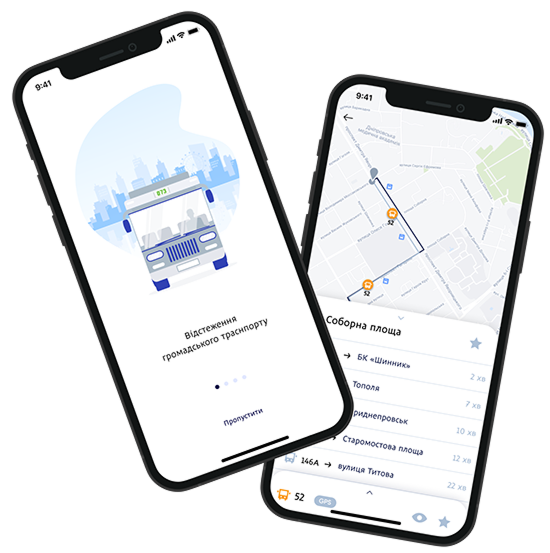
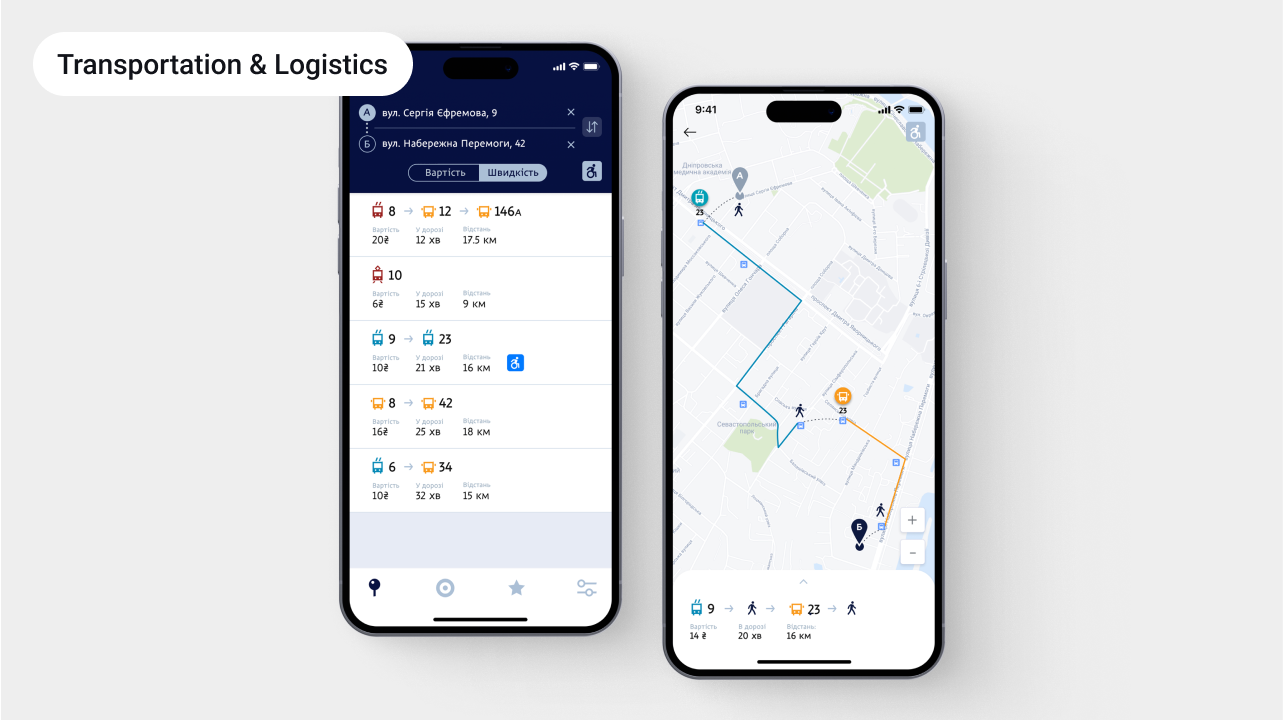
There is a wealth of best practices when it comes to urban mobility, but public transport in general is so much more than that. We build custom passenger transport systems that align with the specifics of the locales they serve, as well as applicable regulations and fare transports, improving ridership and cost-efficiency.
Warehouse Management (WMS)
There already is a lot of diversification in warehousing solutions: large warehouses, small warehouses, sorting stations, etc. But what if your ideal solution is something that’s in between the classic WMS and, say, a CRM, or a lean system that incorporates some warehousing functionalities? We are ready to implement borderline solutions with precision.
AI and Predictive Analytics Modules
Whether for forecasting demand, optimizing routes, or predicting maintenance needs, AI is now one of the core technologies. Alongside training models to perform highly specific tasks, we work to integrate them with all the necessary tech around, building what’s necessary along the way.
Popular Transportation and Logistics Features We Implement
-
Route planning and optimization
Tools that automatically generate the most efficient delivery routes based on key factors (distance, traffic, delivery windows, etc.) to reduce fuel usage, declutter drivers’ schedules for better efficiency, and increase on-time performance.
-
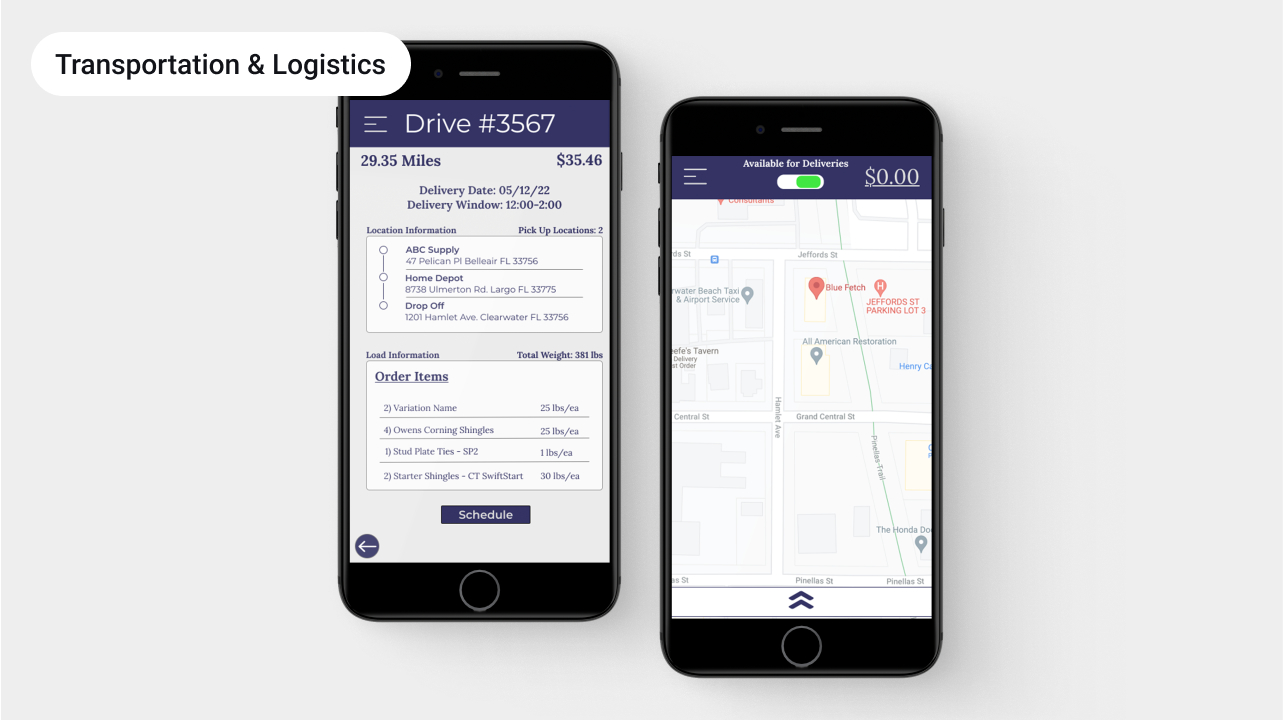
GPS tracking
Gain real-time visibility into vehicle locations and delivery progress to enable rapid response to delays and enhance customer communication.
-
Carrier-dispatcher communication
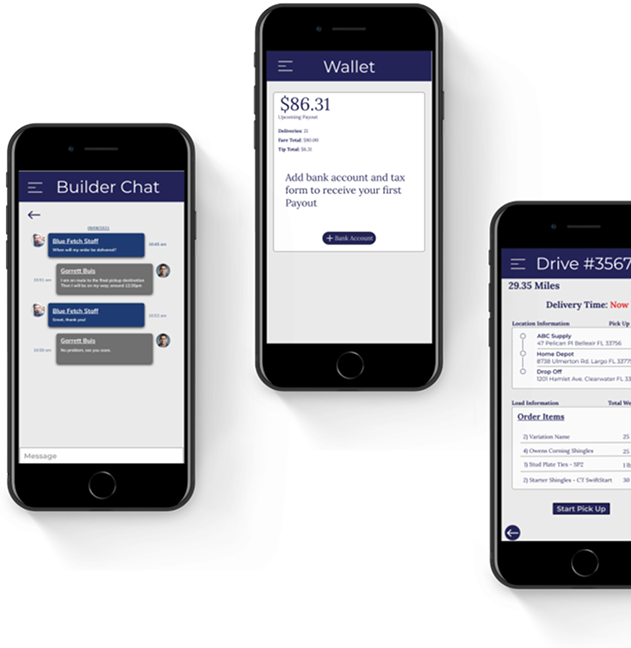
Streamline communication between dispatchers and drivers in ways that match your actual processes: integrated chats, task updates, and alerts.
-
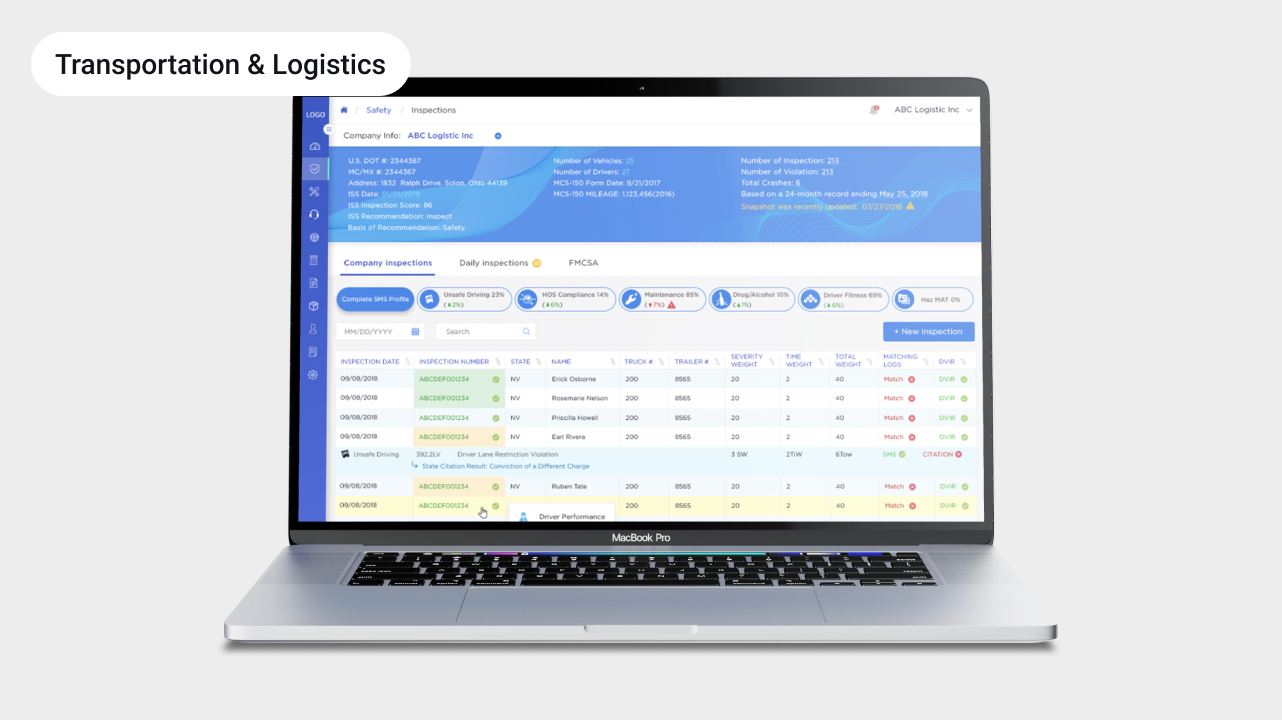
End-to-end SCM dashboards
Many customers request supply chain monitoring functionalities included in custom TMS, WMS, and other systems. We work to enable live updates on orders, inventory, and performance KPIs within these systems, either through custom modules or through integration with other platforms where feasible.
-
Procurement tools
Since many logistics processes depend directly on vendor agreements and timelines, we often develop integrated procurement features like supplier selection, contract management, and purchasing workflows.
-
Order management modules
These tools allow managers to track orders from creation to delivery. They work best when integrated seamlessly with inventory and billing systems, so that the data is accurate and transparently distributed.
-
Fleet maintenance tools
Maintenance scheduling can be automated for maximum efficiency, sometimes by integrating IoT sensors (especially for larger fleets). Monitoring vehicle health allows to extend fleet lifespan and prevent disruptions due to breakdowns, while optimizing the maintenance works to make scheduling more convenient.
-
Fuel consumption monitoring
Identify inefficiencies and reduce costs by tracking fuel usage across your fleet, with insights into driver behavior, idle times, and route performance.
-
IoT and sensor systems
Sensors on vehicles, cargo, and warehouse assets can capture lots of valuable data that can then be used for both monitoring and automated responses. We work with IoT for temperature control, load safety, and predictive maintenance, as well as several other types.
-
Reporting and BI
A common request from our clients is to organize not just the flow of data but their presentation and access levels, as well. We build customizable report generators, dashboards, and forecasting engines wrapped in industry- and role-sensitive UX.
-
System integrations
We connect logistics software with ERP, CRM, accounting, and third-party platforms, as well as other software to ensure seamless flow of data with adequate levels of security and privacy.
Logistics Software Development Services We Offer
- End-to-end web development
- Mobile app development
- System modernization
- Process automation
- AI/ML development and training
- IoT and GPS application development
- Third-party system integrations
- QA and usability testing
- Cloud hosting and infrastructure
- UI/UX design
- Ongoing maintenance of custom systems
- Custom logistics software project discovery/consulting
Results with Custom Logistics Software
Across different projects, with companies of different sizes and niches, even the same general type of logistics software can yield different results, depending on what was the emphasis point in the concept. These are some generalized results of the solutions we implement, curated from various cases. Where there are hyphens and tildes, it means the results have been adjusted as a range for the most common request types (e.g.a spectrum of fleets of different size).
TECH STACK

Vue.js

Angular

React

Node.js

.NET Core

Java

Identity Server

RabbitMQ

PostgreSQL

MongoDB

Docker

Redis

Flutter

Kotlin

Swift

Azure
Extracting maximum ROI from AI
On average, only about 10% of AI projects scale past the pilot stage, and not all of them end up bringing the expected results. McKinsey have even introduced the notion of “gen AI paradox”, and to some extent, this challenge applies beyond generative models. So where do we look to ensure your AI project yields proper ROI?

One factor is defining the proper use cases within custom logistics software solutions – with all the employee roles, requests, and interdependencies. This allows to build and train the algorithm to work in such a way that it supplements the workflows without trying to substitute or parallel them, and also fosters adoption.
We also make sure to design AI solutions for logistics while keeping the realistic estimate of the available data in mind, not the ideal scenario. AI is as good as the information it is trained on and the data it works with.
Finally, we make sure to implement (and polish!) everything around the AI, including integrations, APIs, UI/UX, and adjacent system settings, so that your AI module is not in an ivory tower but pretty much involved in what it needs to know to function. This realism is ultimately what saves the project.
Why choose us

-
The leading web development service company
-
89 successfully launched startups
-
4.9/5 Clutch ratingView on

-
75% of our talent are Middle and Senior specialists
-
Agile approach
-
Strong knowledge of English
-
Large talent pool
-
Progressive technologies
Choose your collaboration model
We offer different models for custom logistics software development so that they match the nature of your project, while providing the necessary level of involvement in the development process.
Product development
Turn your vision into reality with a complete team of developers and other specialists.
Dedicated team (projects)
Access skilled developers to outsource selected scopes of work for higher efficiency.
Team augmentation & extension
Fill in gaps in your team with niche specialists functioning as project team extension.
Transportation & logistics development success stories
To find a perfect solution